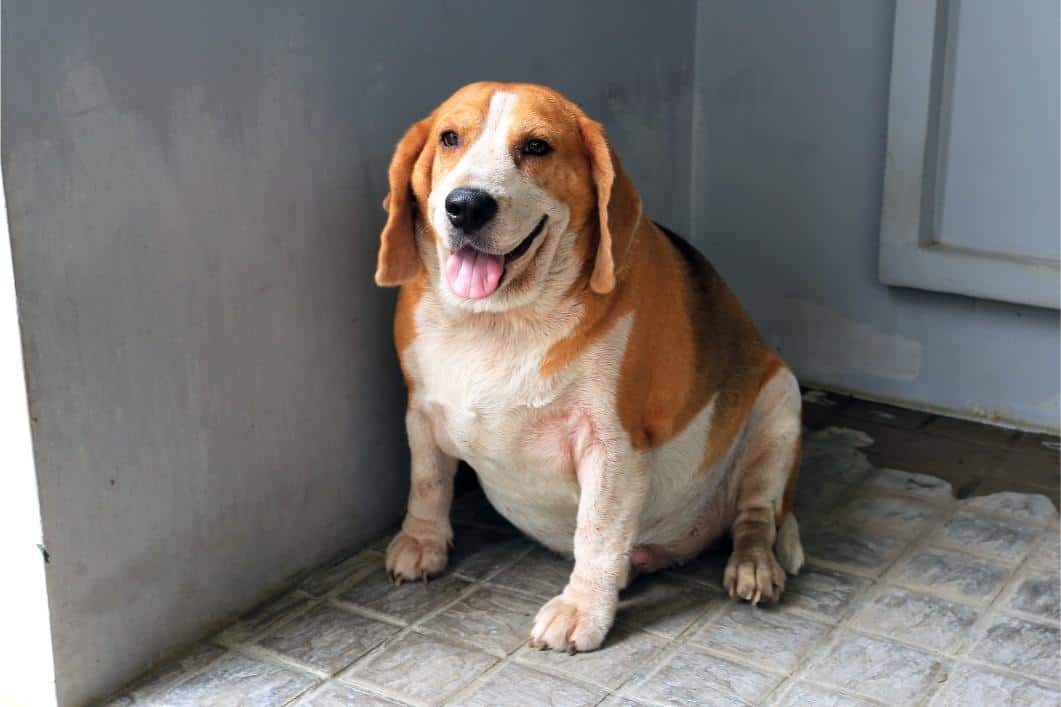
A few extra pounds might make a pet look cuddlier, but just like in people, excess weight in pets puts added strain on the body, and can increase the risk of certain medical conditions. The good news? With thoughtful pet weight management, you can keep your tabby trim and your labrador lean.
Keep reading for our team’s insights on pet obesity health risks, so you can be prepared with simple, proactive steps that support longer, healthier lives for your furry companions.
Why Maintaining a Healthy Weight Matters
Reaching and maintaining a healthy weight for dogs and cats is about far more than appearance. Extra body fat can affect nearly every system in your pet’s body, from joints and organs to metabolism and heart health.
Research consistently shows that pets at a healthy weight often live longer, more active lives than overweight animals. In fact, studies suggest that maintaining a proper weight may extend a dog’s lifespan by up to two years.
That’s a powerful reminder that everyday choices—mealtime portions, treats, and exercise—can shape your pet’s future health.
Common Pet Obesity Health Risks
Some of the most common overweight pets health problems include:
- Joint stress and arthritis
- Diabetes
- Heart and respiratory strain
- Liver disease
- Reduced stamina and energy
Signs Your Pet May Be Overweight
Weight gain often happens gradually—well before your pet has an outwardly pudgy appearance. Keep an eye out for these subtle signs that your pet is carrying extra weight:
- Difficulty feeling the ribs beneath a layer of fat
- A lack of a visible waistline when viewed from above
- Reduced activity or reluctance to exercise
- Heavy panting after mild activity
- Difficulty jumping, climbing stairs, or grooming
Simple Strategies for Preventing Pet Obesity
Successful pet weight management doesn’t require drastic changes. Instead, small, consistent habits can make a big difference.
Veterinarian-recommended strategies include:
- Measure meals carefully and avoid free feeding.
- Limit treats to no more than 10% of daily calories.
- Choose high-quality food appropriate for your pet’s life stage.
- Encourage daily exercise.
- Maintain regular veterinary checkups and schedule frequent weigh-ins if needed.
Partnering With Your Veterinarian
Our team at Oroville Animal Health Center can create a personalized plan to help your pets achieve and maintain a healthy weight for dogs and cats.
Our veterinary-guided approach may include:
- Calorie-controlled diets
- Portion adjustments
- Exercise recommendations
- Regular progress monitoring
A Healthier Weight, A Happier Life
Preventing pet obesity is one of the most meaningful ways pet parents can protect their animal companions. By focusing on balanced nutrition, regular activity, and routine veterinary care, you can help maintain a healthy weight for dogs and cats while reducing the risk of overweight pets’ health problems.
Contact us today at (530) 533-7513 if it’s time for your pet’s wellness visit or if you have concerns about your pet’s weight.