
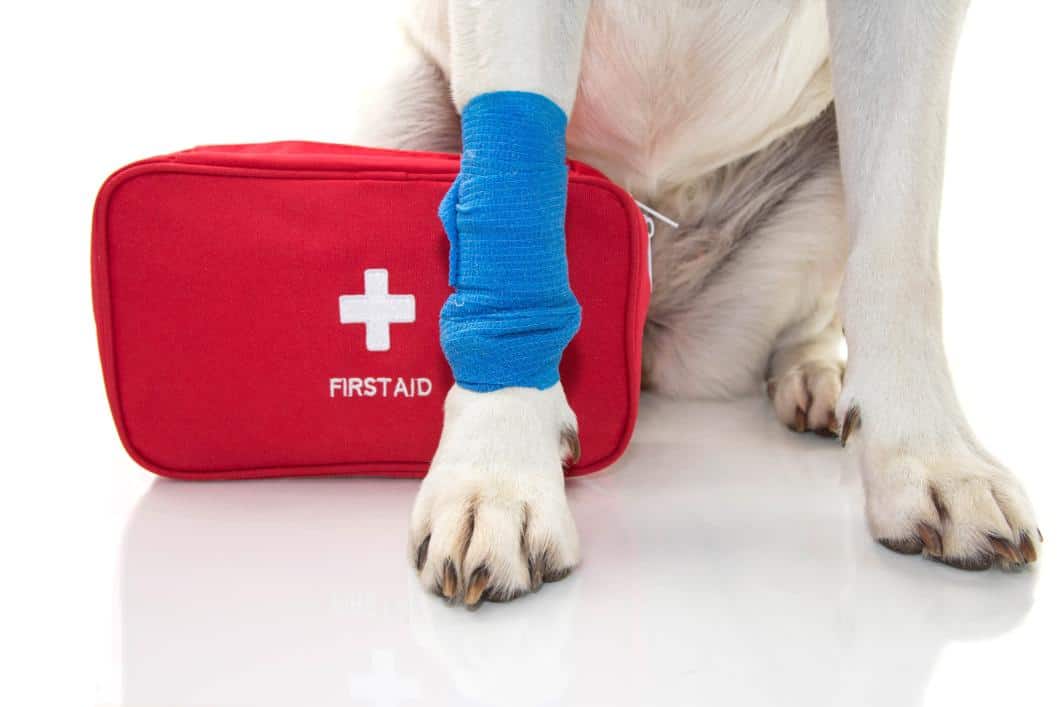
The thought of an emergency befalling our beloved pets can be almost too much to bear. But giving your pet first aid during an emergency can make a positive difference in recovery. Because of this, the team at Oroville Animal Health Center wants to highlight first-aid tips for dogs and cats in our community.
3 Pet First-Aid Safety Tips You Should Know
1. Protect and Prepare
You know that old saying about putting your own oxygen mask on before helping those around you? It applies to emergency situations with pets, too. Pets are animals, and when they are injured or in pain, they might react in ways you’ve never seen them react before.
During an emergency, it’s key to take a moment to protect yourself and those around you from potential bites or scratches.
Use a soft muzzle, blanket, or towel to secure your pet’s mouth before you give any medical care. As much as possible, stay away from your pet’s mouth and paws while providing care.
In a stressful situation, everything is easier if you’re prepared. Pack a first-aid kit with:
- Soft muzzle
- Harness and leash
- Towels and/or blanket
- Gauze pads and bandages
- Adhesive tapes
- Pet-safe antiseptic wipes
- Disposable gloves
- Phone number for your nearest 24-hour emergency veterinarian
Anytime you go hiking or out and about with your pet, make sure the bag is nearby. Being prepared makes all the difference in how safe you and your pet stay during an emergency.
2. Act Quickly But Stay Within Your Limits
First aid is meant to stabilize your pet, not provide diagnosis or treatment. Keep this in mind during an emergency. Your job is to offer your pet what care you can so you can safely get to an emergency veterinarian.
Our basic tips for common first aid situations include:
- Minor cuts or bleeding: Gently apply pressure to the wound with a clean cloth or gauze to help control the bleeding.
- Paw injuries: Rinse your pet’s paw with clean water and wrap it (loosely) to protect the area from further damage during transport.
- Heat exhaustion: Move your pet to a cool, shady area and offer small amounts of water, just make sure it’s not cold.
- Snake bites: Keep your pet calm and still, avoid trying any home remedies, and seek veterinary care immediately.
- Choking concerns: If your pet is gagging or coughing and gasping for air, do not force your fingers inside or try to scoop anything out. Instead, seek medical care right away.
Remember: for the majority of first-aid situations, your goal will be to stabilize your pet and seek immediate medical care.
3. Never Give Human Medication to Your Pet
It can be tempting to grab an ibuprofen or acetaminophen pill from your bag when your pet is howling in pain. But many human medications—including both ibuprofen and acetaminophen—are toxic to dogs and cats, even in small doses.
Focus instead on stabilizing your pet until you can reach veterinary care.
For emergency pet care in Oroville during weekdays, or to schedule a follow-up appointment after an emergency care visit, reach out to our skilled team at Oroville Animal Health Center by calling (530) 533-7513.