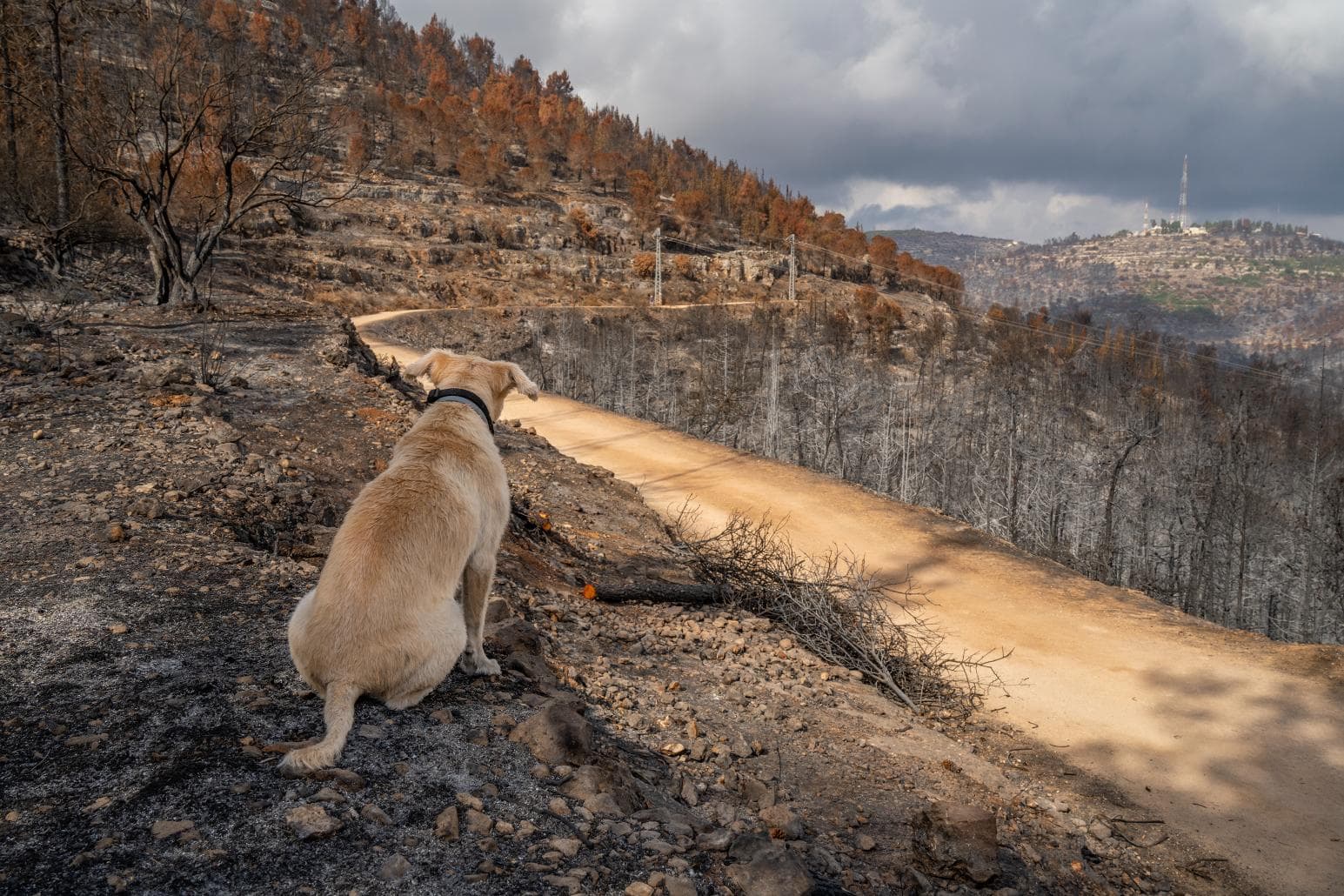
Few experiences are more stressful than living through fire season in Northern California. With recent years’ tragedies still fresh on many of our minds, it’s always a relief when the peak fire season finally starts easing up in the fall.
Yet, any exposure to wildfire smoke can negatively affect our pets, even long after fire season has released its grip for the fall and winter. Smoke and poor air quality can linger—or even come back—for days to weeks after nearby fires, depending on weather conditions. This means air quality can affect pets until a good rain and wind clears everything up again.
Here’s what the team at Oroville Animal Health Center wants pet parents to know about pet respiratory health after fire season.
Wildfire Smoke and Your Pet’s Respiratory Health
Here’s the important thing to keep in mind about wildfire smoke: it can affect your pet at the time of exposure, with long-term consequences for her health. Wildfire smoke irritates the respiratory system, damaging the delicate tissues in the airways and the lungs, making it harder for pets to breathe comfortably.
Because of this, it’s important to stay inside anytime the air quality in Oroville and the surrounding area gets into the orange or red levels (Air Quality Index, or AQI, from 101 to 200+). Some exposure may be inevitable as you take your pup out to go potty, for example, but the less exposure, the better.
Then, keep an eye on air quality even after the smoke appears to have cleared. Smoke can linger in the air for weeks after a fire ends. Avoid any strenuous activity outside with your dog or cat when the AQI is in the orange, red, purple, or maroon area.
Signs of Respiratory Harm from Wildfire Smoke Exposure in Pets
If you’re unsure whether your pet has lasting harm from exposure to wildfire smoke here in Northern California, keep an eye out for the following symptoms of smoke exposure in cats and dogs:
- Coughing
- Difficulty breathing, or rapid breathing
- Irritation and discharge from the eyes and/or nose
- Weakness or lethargy
- Loss of appetite
Bring your pet into the vet as soon as possible if you notice these symptoms of wildfire exposure. Your veterinary team can assess your cat or dog’s lung and respiratory function and put together a treatment plan to address damage due to smoke inhalation or exposure.
Treatment can include oxygen therapy, medications to reduce airway inflammation or to treat secondary infections, if appropriate, and supportive care, including IV fluids and plenty of rest.
Pet Smoke Exposure Treatment in Oroville
The caring team at Oroville Animal Health Center has years of experience treating smoke exposure cases in pets. For any concerns about your pet’s respiratory health, give us a call at (530) 533-7513 to set up an appointment today.